
Cancer Control and Outcomes Program
The Cancer Control and Outcomes Program brings together researchers working in the ECOG-ACRIN Cancer Research Group to reduce the burden of cancer on individuals and communities. They examine how cancer and its treatment affect people and how cancer care is delivered.
This program spans five areas:
- The Psychosocial Outcomes and Survivorship Committee examines how cancer affects emotional and social well-being during and after treatment, and ways to improve long-term health and quality of life
- The Symptom Science and Treatment Toxicity Committee identifies ways to manage symptoms caused by cancer and side effects caused by treatment, with a Cardiotoxicity Subcommittee focusing on the effects of cancer treatments on the hearr
- The Patient-Reported Outcomes Committee ensures that ECOG-ACRIN trials include patients’ own reports of their symptoms, health, and well-being to better understand their experiences with cancer and treatment
- The Health Promotion Committee explores ways to help people with cancer take an active role in improving their health
- The Cancer Care Delivery Committee identifies strategies to improve how cancer care is organized and delivered
Program Co-Directors
Scientific Programs

Lynne I. Wagner, PhD
University of North Carolina-Chapel Hill/UNC Lineberger Comprehensive Cancer Center
Biography
Represents the program as a deputy chair on the Executive Committee




Community Advisory Committee
Chair
Co-Chair
Co-Chair

Kathleen Yost Butler, MD
Cancer Research Consortium of West Michigan NCORP
Biography (to come)

Al B. Benson III, MD, FACP, FASCO
Northwestern University/Robert H. Lurie Comprehensive Cancer Center
Biography

Psychosocial Outcomes and Survivorship
Chair
Co-Chair
Lynne I. Wagner, PhD
University of North Carolina-Chapel Hill/UNC Lineberger Comprehensive Cancer Center
Biography
Represents the program as a deputy chair on the Executive Committee


Patient-Reported Outcomes
Chair
Co-Chair
Co-Chair

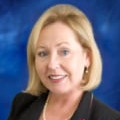
Lari Wenzel, PhD
University of California Irvine and the Chao Family Comprehensive Cancer Center
Biography
The Patient-Reported Outcomes leaders also oversee the PRO Advisory Group, which is available as a resource to guide ECOG-ACRIN investigators on how best to include PRO measures and endpoints in selected phase 2 and 3 trials. Interested? Learn more about the PRO Advisory Group and the value of PRO outcomes in enhancing the relevance of clinical trials. For more information, send an email.